

As Burlington's fall and winter air turns dry and cold, microdermabrasion for dry skin Burlington residents trust can help smooth rough texture and restore a brighter, more even complexion.
When the leaves along Cambridge Street finally turn and the first real chill settles over Burlington, most of us start layering up in sweaters and scarves. Our skin, however, often struggles quietly beneath all that extra warmth. Indoor heating, biting wind, and the dry New England air combine to leave many faces feeling rough, tight, and dull by mid-November. That's why microdermabrasion for dry skin Burlington clients search for tends to spike right as the temperature drops — it's a practical, non-invasive way to address seasonal texture concerns before they worsen.
Why Burlington Winters Are Tough on Skin
Massachusetts winters bring a specific combination of stressors that can add up quickly. Cold outdoor air holds less moisture, while forced-air heating indoors dries things out even further, creating a one-two punch for the skin's natural barrier.
Common signs Burlington residents notice include:
- Flaking or rough patches, especially around the nose, cheeks, and chin
- A dull, tired-looking complexion despite regular moisturizing
- Makeup that clings to dry patches instead of sitting smoothly
- Increased sensitivity to wind exposure during commutes or errands around town
According to the American Academy of Dermatology, gentle exfoliation paired with proper moisturizing is one of the more practical ways to support skin comfort during colder, drier months. That combination is essentially what a good microdermabrasion session, followed by the right home care, aims to achieve.
How Microdermabrasion Supports Dry Winter Skin
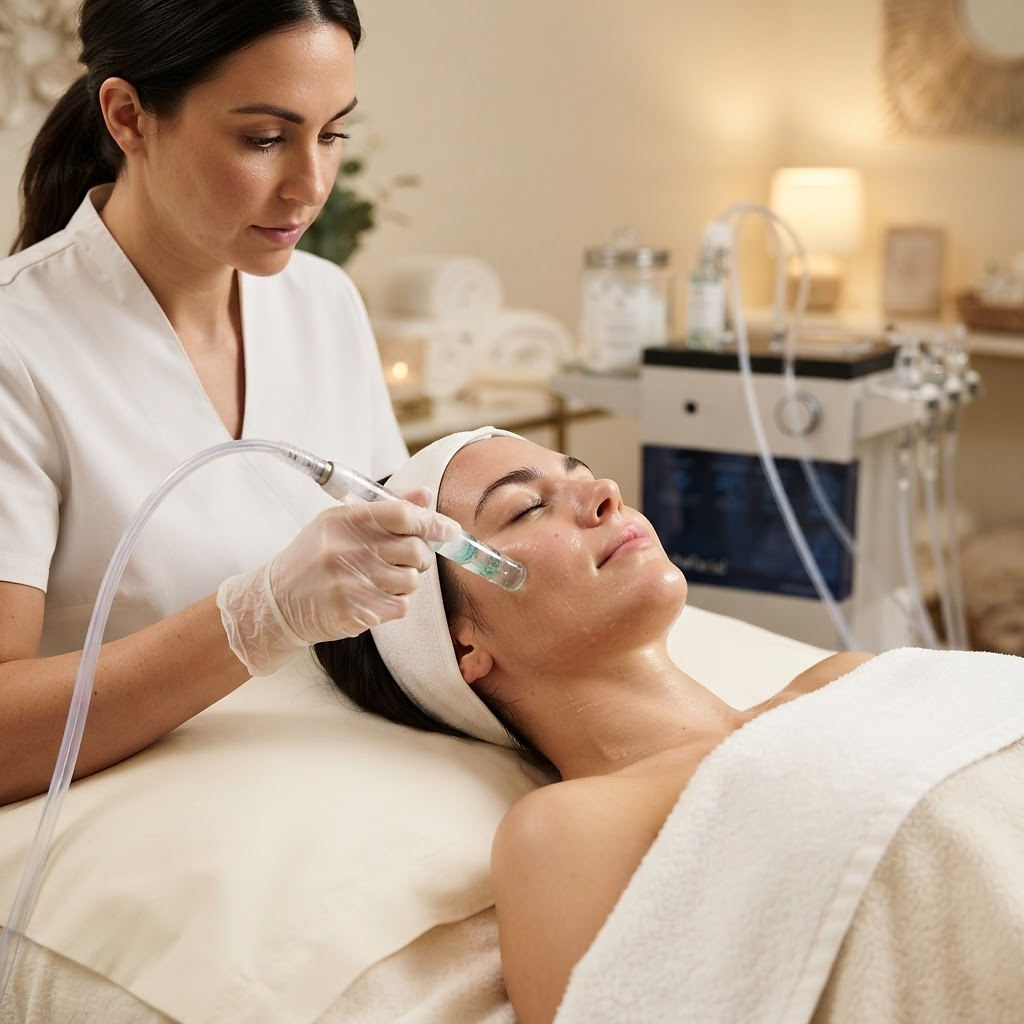
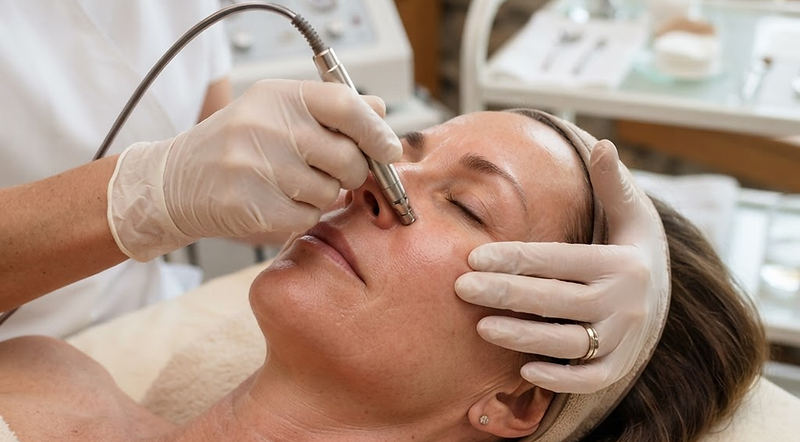
Microdermabrasion is a mechanical exfoliation treatment that uses a handheld device to gently buff away the outermost layer of dead skin cells. For skin that's been battered by wind and dry heat, this process can help reveal smoother, more even-looking skin underneath the rough surface layer.
At La Lueur, our Microdermabrasion Facial is a 50-minute service priced at $350. The treatment is designed to be thorough yet comfortable, making it a practical seasonal reset for skin that's accumulated dryness and buildup over the fall.
Pro Tip: Book your microdermabrasion appointment a few days before any big Burlington event or gathering, giving your skin time to settle and glow rather than scheduling it the same day.
Comparing Your Options for Fall and Winter Texture
Microdermabrasion isn't the only path to smoother skin, and it's worth understanding how it stacks up against other options on our menu. If your main concern is surface texture and mild dullness, microdermabrasion is often a straightforward starting point. For clients dealing with more visible dead skin buildup or fine peach fuzz that traps dryness, a Dermaplaning Facial offers a different exfoliation method that some prefer.
Those looking for a deeper approach to cell turnover might discuss a Chemical Peel with their esthetician, while clients wanting congestion addressed alongside dryness sometimes start with a Clarifying Facial. Because everyone's skin responds differently to New England's dry season, a consultation helps match the right treatment to your specific concerns rather than guessing based on marketing alone.
Building a Complete Seasonal Skin Routine
A single microdermabrasion session can help, but the best results for winter-worn skin tend to come from a broader seasonal approach. Think of the facial as one piece of a larger routine rather than a standalone fix.
Consider incorporating these habits alongside your treatments:
- Switch to a heavier, ceramide-rich moisturizer once temperatures drop consistently below 40°F
- Use a humidifier at home or in the office to counteract dry heating systems
- Apply broad-spectrum SPF daily, even on overcast Burlington days, since UV exposure doesn't disappear in winter
- Avoid overly hot showers, which can strip natural oils from already-dry skin
Clients interested in more intensive rejuvenation sometimes explore Microneedling with Salmon DNA or the Ultimate Glow & Lift Facial as part of a broader seasonal plan, particularly heading into the holidays when skin often takes an extra beating from travel and stress. According to Harvard Health, consistent skincare habits paired with professional treatments tend to produce more noticeable, longer-lasting comfort than occasional facials alone.
What to Expect During Your Visit
If you're new to microdermabrasion, the process is fairly simple and low-downtime. Your esthetician will cleanse the skin, then use the handheld device to gently exfoliate the surface layer, followed by a soothing mask or serum suited to dry, seasonal skin. Most clients describe the sensation as a mild scratching or vibration rather than anything painful.``` Afterward, skin may appear slightly pink for a short time, which typically settles within a few hours. Because the treatment focuses on surface-level exfoliation, there's generally minimal downtime, making it easy to fit into a Sunday afternoon before heading back to work on Monday.
Pro Tip: Bring a lip balm and a travel-size moisturizer with you — stepping back out into Burlington's cold air right after treatment feels more comfortable with a protective layer on hand.
Before booking, it's worth browsing our Results Gallery to get a sense of the kind of texture and tone improvements past clients have experienced, keeping in mind that individual results vary. If you have questions about scheduling or want to confirm which treatment fits your skin type this season, our Contact & Location page has everything you need, including our Burlington address and hours.
Winter in Massachusetts doesn't have to mean resigning yourself to rough, dull skin until spring. With the right combination of professional exfoliation and thoughtful at-home care, it's entirely possible to keep your complexion feeling smoother and looking brighter through the coldest stretch of the year.
Frequently asked
Questions we hear most
Does microdermabrasion help with dry, flaky winter skin?+
Microdermabrasion helps the look of dry, flaky patches by gently removing built-up dead surface cells, which can make skin appear smoother and more even. It does not add moisture on its own, so most estheticians follow it with hydrating products. Individual results vary and suitability is confirmed at consultation.
How often should I get microdermabrasion during a New England winter?+
Many Burlington clients enjoy scheduling microdermabrasion facials every four to six weeks through the colder months. This cadence allows skin to recover fully between sessions while still addressing seasonal buildup. Your esthetician can suggest a personalized timeline at your visit.
Is microdermabrasion safe for sensitive or very dry skin in winter?+
Microdermabrasion is generally well tolerated, but very dry or sensitive skin may need a gentler approach or a different treatment altogether. A consultation helps determine whether microdermabrasion, a Clarifying Facial, or another option is the better fit for your skin that season. Always disclose any irritation or conditions before booking.
What should I do after a microdermabrasion facial in cold weather?+
After treatment, prioritize a rich moisturizer, avoid harsh wind exposure when possible, and apply broad-spectrum SPF even on cloudy Burlington days. Skip aggressive scrubs or retinoids for a few days afterward. Staying hydrated indoors also supports skin comfort post-treatment.
How is microdermabrasion different from a Chemical Peel for winter dryness?+
Microdermabrasion physically buffs the skin's surface, while a Chemical Peel uses a solution to encourage cell turnover at a deeper level. Both can support smoother texture, but a Chemical Peel is generally a more intensive option. Your esthetician can help decide which suits your winter skin goals.
Ready when you are
Book a consultation in Burlington
Every plan starts with a conversation about your goals and your skin. We will confirm what suits you and map the treatments from there.
Services are subject to consultation and individual suitability. Results vary. No result is guaranteed.