

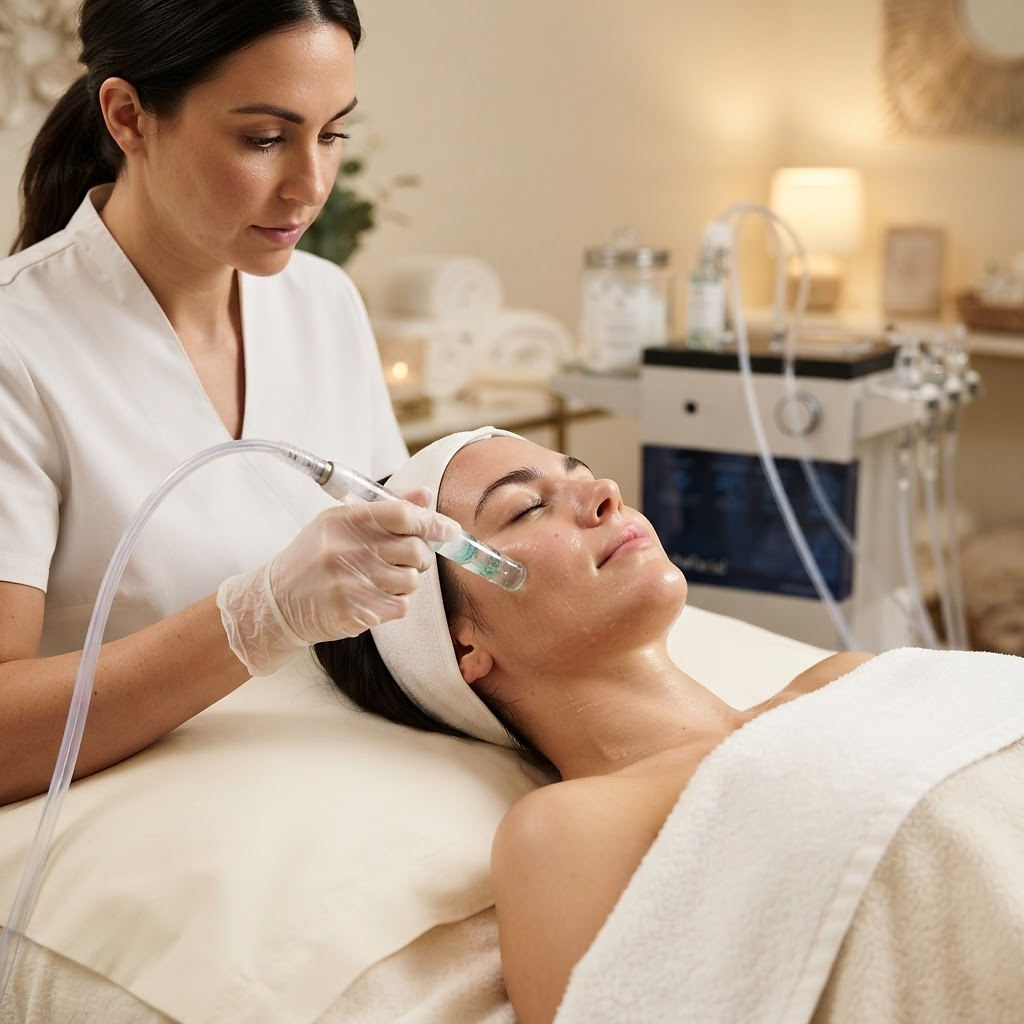
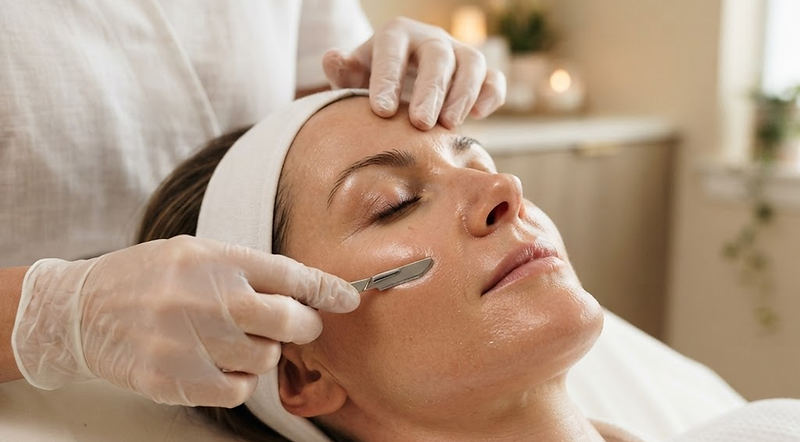
Learn how to protect fresh, exfoliated skin through icy winds and dry indoor heat with this dermaplaning aftercare Burlington MA winter guide.
When the first snow blankets Cambridge Street and the wind picks up along Route 3A, Burlington skin faces a very different challenge than it does in July. Proper dermaplaning aftercare Burlington MA winter routines are especially important because this treatment gently removes the top layer of dead skin cells and fine vellus hair, leaving skin smoother but temporarily more exposed to the elements. If you've recently booked a Dermaplaning Facial at La Lueur Beauty & Spa, or you're planning one before the holidays, knowing how to care for your skin through a Massachusetts winter can make a real difference in comfort and glow.
Why Winter Changes the Aftercare Game
Dermaplaning is a 50-minute treatment that uses a sterile blade to gently exfoliate the skin's surface, and many clients enjoy the resulting smoothness and brighter appearance afterward. But winter in Burlington brings a double challenge: frigid, low-humidity outdoor air combined with dry, heated indoor environments. Both conditions pull moisture from skin that has just had its protective outer layer freshly exfoliated.
This doesn't mean you should avoid dermaplaning in the colder months. In fact, many clients prefer scheduling it during winter since there's less direct sun exposure overall. It simply means your aftercare routine needs to work a little harder to support your skin's barrier.
Building a Cold-Weather Aftercare Routine
Right after your treatment, your esthetician will likely apply a calming, hydrating product to your skin. For the days that follow, consider this simple framework:
- Use a fragrance-free, richer moisturizer than you might reach for in summer.
- Apply a broad-spectrum SPF 30 or higher every morning, even under a scarf.
- Skip retinoids, exfoliating acids, or harsh scrubs for at least 48-72 hours.
- Keep showers lukewarm rather than hot, since heat can strip moisture further.
- Carry a travel-size lip balm and hand cream, since wind exposure hits these areas hard too.
Pro Tip: Layer a hydrating serum underneath your moisturizer in winter — it helps lock in water before the heavier cream seals it in, which is especially helpful in Burlington's dry indoor heating season.
Protecting Skin From Burlington's Winter Elements
Burlington winters mean biting wind off open parking lots, dry car heat during the commute on 95/128, and forced-air heating at home and work. All of these can leave freshly exfoliated skin feeling tight or flaky if aftercare is skipped.
A scarf pulled up over the lower face on windy days is a simple but effective habit. Indoors, a humidifier in your bedroom can meaningfully reduce overnight moisture loss. According to the American Academy of Dermatology, consistent moisturizing and sun protection are foundational habits for supporting skin health through seasonal changes, and this holds especially true after any exfoliating treatment.
Pairing Dermaplaning With Other Treatments This Season
Some clients like to alternate dermaplaning with deeper hydration-focused treatments during winter. A Hydra Facial (60 minutes, $900) is often chosen for its hydrating approach, while a Clarifying Facial (50 minutes, $150) can be a gentler, more accessible option between deeper treatments. For clients wanting a broader glow-focused approach, the Ultimate Glow & Lift Facial (50 minutes, $750) is another option to discuss at consultation.
If you're curious how skin typically looks after a series of treatments through the seasons, browsing the Results Gallery can give you a sense of what other clients have experienced, though individual results always vary.
Pro Tip: Schedule your dermaplaning appointment for a day when you don't have back-to-back outdoor errands — giving your skin a calm few hours indoors afterward helps it settle in before facing cold air.
When to Reach Out to Your Esthetician
Most aftercare discomfort in winter is mild — some tightness, occasional flaking, or slightly heightened sensitivity to cold air. If you notice redness that doesn't calm down after a couple of days, or your skin feels unusually irritated, it's worth reaching out. The team at La Lueur can be reached through the Contact & Location page, by phone at (781) 516-8900, or by email at lalueur.boston@gmail.com.
Suitability for dermaplaning and any accompanying aftercare recommendations are always confirmed during a consultation, since every client's skin responds a little differently, especially through New England's more extreme seasons.
Winter in Burlington doesn't have to mean putting exfoliating treatments on pause. With a thoughtful aftercare routine — rich moisturizer, daily SPF, gentler cleansing, and a little extra wind protection — many clients find dermaplaning fits comfortably into their cold-season skincare rhythm, leaving skin feeling smooth right through the snowiest months.
Frequently asked
Questions we hear most
How long does skin stay sensitive after dermaplaning in winter?+
Most clients notice mild sensitivity for 24 to 48 hours after treatment, though this can feel slightly longer in cold, dry air. Applying a gentle moisturizer and avoiding wind exposure right after your appointment can help skin feel more comfortable.
Can I still wear makeup after a dermaplaning facial in winter?+
Many clients apply makeup the same day since dermaplaning creates a smooth canvas, but it's generally best to wait a few hours and use a hydrating primer first. Cold, dry indoor heat can make makeup look flakier on freshly exfoliated skin, so extra moisturizer helps.
Do I still need sunscreen after dermaplaning during Massachusetts winters?+
Yes, sunscreen is important year-round, including winter in Burlington. Snow reflects UV rays and freshly exfoliated skin has less of its outer protective layer, so daily SPF supports healthier-looking skin.
How often should I get dermaplaning during the colder months?+
Many clients space dermaplaning facials about four weeks apart, similar to summer, though your esthetician can adjust based on how your skin responds to winter dryness. This is best discussed at a consultation.
What should I avoid right after dermaplaning aftercare in winter?+
Avoid long hot showers, saunas, harsh retinoids, and unprotected outdoor exposure to biting wind for the first few days. Keeping skin moisturized and shielded from extreme temperature swings supports a smoother recovery.
Ready when you are
Book a consultation in Burlington
Every plan starts with a conversation about your goals and your skin. We will confirm what suits you and map the treatments from there.
Services are subject to consultation and individual suitability. Results vary. No result is guaranteed.