
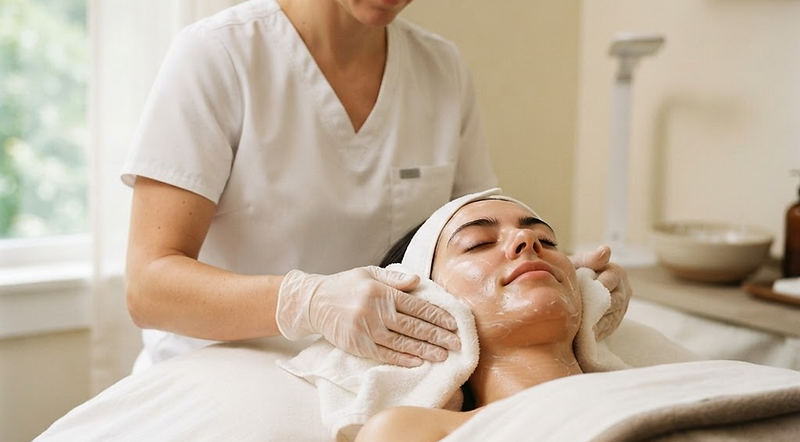
Struggling with dehydrated skin in Burlington, MA this winter? Discover how local climate affects your complexion and which facials help restore comfort and glow.
Anyone who has spent a January afternoon walking along Cambridge Street or waiting for the bus in downtown Burlington knows the feeling: wind-chapped cheeks, tight skin, and a complexion that seems to drink up every drop of lotion within minutes. Dehydrated skin in Burlington, MA is one of the most common concerns local estheticians hear about once the first hard frost hits, and it isn't simply about dry weather. It's about what happens when outdoor humidity drops sharply while indoor heating systems run nonstop for months. Understanding why this happens—and which facials and daily habits actually help—can make a real difference in how comfortable your skin feels between November and April.
Why Burlington's Winter Air Leaves Skin Thirsty
Massachusetts winters are a study in extremes. Outside, cold air simply can't hold much moisture, so humidity levels drop. Inside, forced-air heating dries out the environment even further, whether you're at home, in an office near the Burlington Mall area, or running errands along Middlesex Turnpike. Add in wind, wool scarves rubbing against the jawline, and long commutes between heated cars and freezing parking lots, and skin barely gets a break.
This constant shift between dry cold and dry heat pulls water out of the skin's surface faster than it can be replaced, which is the core issue behind dehydrated skin in Burlington, MA. Unlike a sunburn or a breakout, dehydration doesn't always look dramatic—it often shows up as subtle dullness, tightness, or skin that just feels 'off.'
Dehydrated vs. Dry Skin: Knowing the Difference
It's worth separating two terms that often get used interchangeably. Dry skin is a skin type tied to lower oil production, while dehydration is a temporary condition related to water content—and it can affect oily, combination, or dry skin alike.
Common signs that point to dehydration rather than general dryness include:
- A tight, almost 'shrink-wrapped' feeling shortly after cleansing
- Fine lines that appear more noticeable by midday
- A dull or flaky texture even when oil production seems normal
- Makeup that sits unevenly or clings to rough patches
- Increased sensitivity to products that never bothered your skin before
The American Academy of Dermatology notes that both environmental conditions and daily habits play a major role in how well skin retains moisture, which lines up with what many Burlington clients notice once the heat kicks on at home.
Facials That Support a Healthier Moisture Balance
While no treatment can promise a permanent fix for winter dehydration, several facials on our menu are designed to support the look and feel of better-hydrated skin when paired with a consistent home routine.
A Clarifying Facial offers a gentler reset for skin that feels congested or irritated from heavy winter products, helping prep the surface for better moisture absorption. For clients looking for a more comprehensive approach, the Ultimate Glow & Lift Facial layers multiple steps aimed at supporting hydration and a refreshed appearance. Microneedling with Salmon DNA is another option many clients explore for supporting the skin's barrier function during harsher months, though suitability is always confirmed during a consultation since individual results vary.
Pro Tip: Apply your serum to slightly damp skin and seal it with a moisturizer within a few minutes. This simple layering habit helps hold moisture in place before Burlington's dry indoor air has a chance to pull it back out.
Everyday Habits to Protect Hydration Through the Season
Facials work best alongside a few consistent at-home habits. Consider:
- Running a humidifier in bedrooms or home offices, especially overnight
- Swapping hot showers for lukewarm ones, which are gentler on the skin barrier
- Choosing a cream or oil-based cleanser instead of a foaming one during winter months
- Wearing SPF daily, even on overcast New England days, since UV rays still reach skin through clouds and windows
- Staying consistent with water intake, since indoor heating increases water loss through the skin as well as through breathing
Small, repeatable habits tend to matter more over a Burlington winter than any single product.
Building a Simple Winter Skincare Rhythm
Many clients find it helpful to think in terms of a seasonal rhythm rather than a single fix. That might mean booking a facial every four to six weeks through the colder months, swapping in richer moisturizers as temperatures drop, and dialing back exfoliation frequency since over-exfoliated skin can feel even more reactive in dry air.
Pro Tip: If your skin feels unusually tight or reactive, scale back exfoliating treatments for a week or two and focus on barrier-supportive products before reintroducing them gradually.
It's also worth browsing our Results Gallery to see the range of looks clients have worked toward with different facials, keeping in mind that every skin responds differently and outcomes are never guaranteed.
Winter in Burlington doesn't have to mean months of tight, uncomfortable skin. With a bit of attention to both professional treatments and daily habits, most clients find their skin holds up noticeably better through the season—and that momentum carries nicely into spring.
Frequently asked
Questions we hear most
What causes dehydrated skin in Burlington, MA during winter?+
Cold outdoor air holds little moisture while indoor heating further dries the air, pulling water from the skin's surface faster than it's replaced. Wind and temperature swings between indoor and outdoor spaces add to the effect.
How can I tell if my skin is dehydrated rather than naturally dry?+
Dehydration often shows up as tightness after cleansing, more visible fine lines, or dullness—even in skin that normally produces plenty of oil. Dryness, by contrast, is a skin type tied to lower oil production year-round.
Which facial is best for winter hydration concerns?+
Many clients explore the Clarifying Facial for a gentle reset or the Ultimate Glow & Lift Facial for a more comprehensive approach, though the right choice depends on your skin's current needs and is best confirmed at a consultation.
How often should I book a facial during the colder months?+
A common approach is scheduling a facial roughly every four to six weeks through winter, adjusting frequency based on how your skin responds. Your esthetician can help tailor timing to your individual skin.
Can oily skin still feel dehydrated in winter?+
Yes, dehydration relates to water content rather than oil levels, so oily and combination skin can feel tight or look dull right alongside drier skin types during Burlington winters.
Ready when you are
Book a consultation in Burlington
Every plan starts with a conversation about your goals and your skin. We will confirm what suits you and map the treatments from there.
Services are subject to consultation and individual suitability. Results vary. No result is guaranteed.