

Get expert chemical peel sunscreen guidance from a Burlington MA esthetician, including SPF timing tips suited to New England's changing seasons.
Booking a chemical peel sunscreen burlington ma routine right often makes the difference between skin that looks refreshed and skin that struggles with new sensitivity. At La Lueur Beauty & Spa on Cambridge Street, our estheticians frequently field questions about how to protect freshly treated skin once clients step back out into Burlington's unpredictable New England weather. Whether you're heading to Sunday farmers market season or bundling up for a February commute, sun protection after a peel deserves real attention.
Why Sunscreen Matters So Much After a Peel
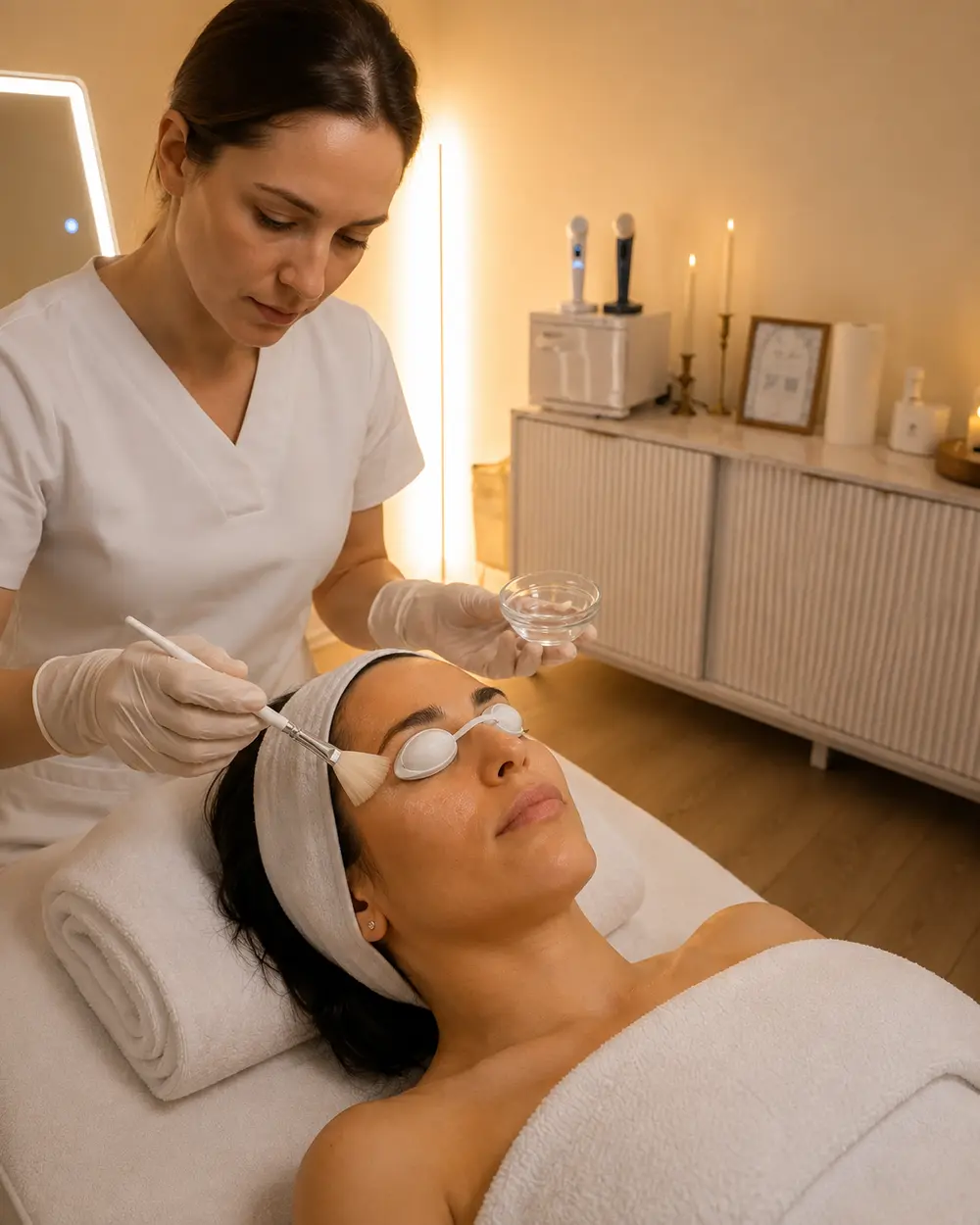
A professional Chemical Peel works by encouraging the surface layer of skin to renew itself, which can temporarily leave that fresh skin more reactive to UV light. Without a barrier like sunscreen, this sensitive skin is more prone to uneven tone and discomfort. This is why sun protection isn't an optional add-on to peel aftercare — it's considered a core part of the process by most skincare professionals.
The American Academy of Dermatology recommends broad-spectrum sunscreen with SPF 30 or higher for daily use, and this guidance becomes even more important in the days and weeks following an exfoliating treatment. Broad-spectrum protection blocks both UVA and UVB rays, which is important because UVA rays penetrate year-round, even on cloudy Massachusetts days.
Pro Tip: Keep a travel-size mineral sunscreen in your bag or car so reapplication is easy whether you're running errands on Cambridge Street or heading into Boston for the day.
Choosing the Right Formula for Post-Peel Skin
Not all sunscreens feel the same on freshly treated skin. Many estheticians suggest starting with a mineral, or physical, sunscreen containing zinc oxide or titanium dioxide rather than a chemical-absorbing formula, since mineral options tend to sit on the skin's surface and may feel less irritating during the healing window.
A few formula tips worth keeping in mind:
- Look for "broad-spectrum" on the label to ensure both UVA and UVB coverage.
- Fragrance-free and non-comedogenic formulas are gentler choices for sensitive, freshly peeled skin.
- Lightweight lotions or fluids tend to layer better under makeup than thick creams.
- SPF moisturizers can be convenient, but a dedicated sunscreen layered on top offers more reliable coverage.
If you're unsure which formula suits your skin type, this is exactly the kind of detail we walk through during a consultation before recommending a peel strength or aftercare plan.
Burlington's Seasons Change the Sun-Care Equation
One thing that makes Burlington skincare a little different from, say, a year-round sunny climate is how dramatically UV exposure shifts through the seasons. Summer here brings long daylight hours and high UV index days, especially from June through August. Many residents spend more time outdoors at that time of year — walking around town, gardening, or enjoying the patio at a local restaurant — which means more cumulative sun exposure on treated skin.
Winter presents its own challenge. Snow can reflect a notable percentage of UV rays back onto your face, and the low winter sun angle means direct exposure even during short outdoor stretches like a walk to your car. It's a common misconception that sunscreen is only a summer habit; in reality, consistent SPF use supports the look of your skin no matter the month.
A Simple Seasonal Checklist
- Spring/Summer: SPF 30+ reapplied every two hours outdoors, plus a wide-brim hat for extended sun exposure.
- Fall: Don't skip SPF just because temperatures drop — UV rays are still present on clear autumn days.
- Winter: Apply SPF before heading out, especially if you'll be near snow or driving during daylight hours.
Pairing Sunscreen Habits With Your Facial Routine
Sun protection works best as part of a broader skincare routine rather than a stand-alone step. Clients who alternate a Chemical Peel with gentler options like a Clarifying Facial or a Hydra Facial often find that consistent SPF use helps maintain the overall look and feel of their skin between appointments. Hydration also plays a supporting role, since well-moisturized skin tends to tolerate daily sunscreen more comfortably.
Pro Tip: Apply sunscreen as the last step of your morning routine, after moisturizer and before makeup, for the most even coverage.
If you're curious what peeled, well-protected skin can look like over time, our Results Gallery shows a range of client outcomes, keeping in mind that individual results vary and are influenced by aftercare consistency.
Building a Personalized Plan With Your Esthetician
Every client's skin responds differently to a chemical peel, and factors like your typical outdoor time, skin sensitivity, and even your daily commute can influence how we recommend structuring your sun-care routine. During your visit, we'll walk through peel strength options, expected sensitivity, and sunscreen habits tailored to your lifestyle here in Burlington.
If you have questions about scheduling a peel around an upcoming sunny weekend or want guidance on which SPF products might suit your skin, our team is happy to help. You can find our hours and location details on our Contact & Location page, and we look forward to helping you build a sun-smart routine that supports healthy-looking skin through every Massachusetts season.
Frequently asked
Questions we hear most
How soon after a chemical peel should I start wearing sunscreen?+
Sunscreen should be applied the very next morning after your treatment, and ideally every day going forward. Freshly peeled skin lacks some of its usual protective barrier, so consistent SPF use helps support the appearance of your results.
What SPF level is recommended after a chemical peel?+
Many estheticians suggest broad-spectrum SPF 30 or higher for daily wear after a peel. Reapplication every two hours is especially important if you are outdoors for extended periods around Burlington.
Can I still get a chemical peel during a Burlington summer?+
Yes, chemical peels can be scheduled year-round, but summer requires extra diligence with shade, hats, and SPF due to stronger UV exposure. A consultation can help determine timing and aftercare that fits your season.
Is mineral sunscreen better than chemical sunscreen after a peel?+
Mineral (physical) sunscreens containing zinc oxide or titanium dioxide are often preferred right after a peel because they tend to sit on top of the skin rather than absorb into it. This can feel gentler on freshly treated, sensitive skin.
Does winter sun in Massachusetts still require SPF after a peel?+
Absolutely. Snow reflects a significant amount of UV light, and winter sun combined with peeled skin can still contribute to uneven tone. Daily SPF remains part of a sound aftercare routine regardless of season.
Ready when you are
Book a consultation in Burlington
Every plan starts with a conversation about your goals and your skin. We will confirm what suits you and map the treatments from there.
Services are subject to consultation and individual suitability. Results vary. No result is guaranteed.