

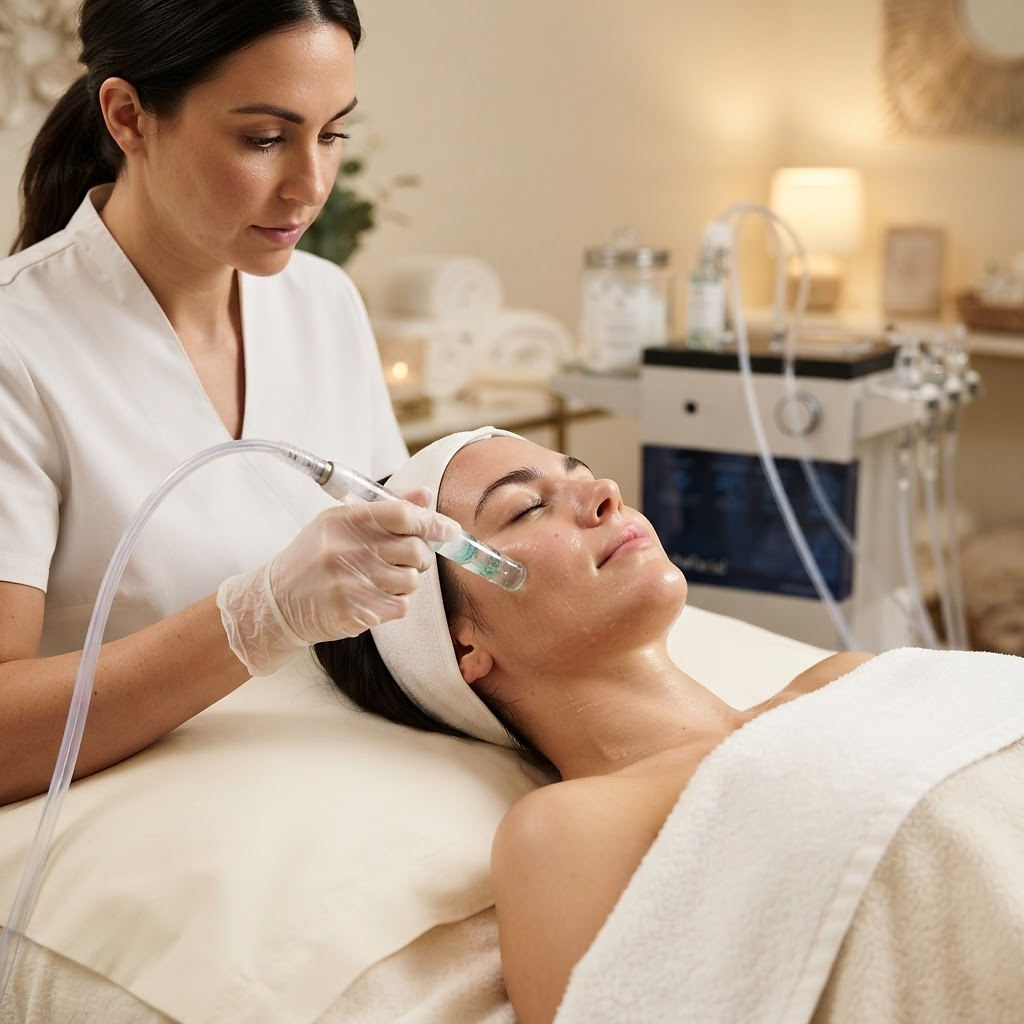
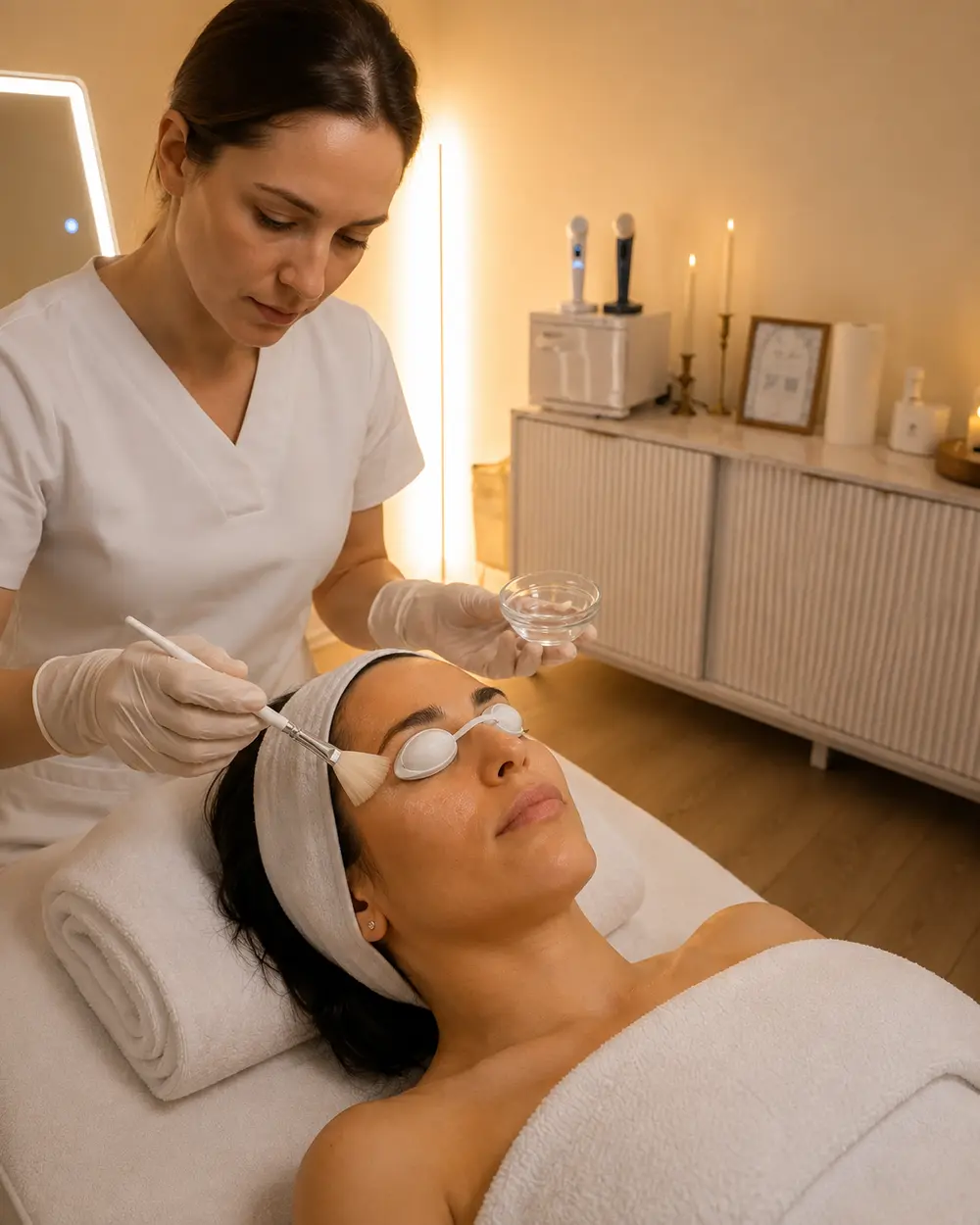
Get chemical peel aftercare in Burlington MA right in every season, from icy winters to humid summers, so your skin recovers comfortably and looks its best.
Burlington's weather doesn't sit still for long. One week you're scraping frost off your windshield, and a few months later you're wiping humidity off your forehead at a Mall at Burlington parking lot. That kind of seasonal swing matters a lot when it comes to chemical peel aftercare in Burlington MA, because your skin's recovery needs shift right along with the thermostat.
A Chemical Peel (60 minutes, $850) works by encouraging the skin's surface layer to renew, which can leave skin temporarily more sensitive to temperature extremes, wind, and sun. Whether you book your peel in January or July, understanding how New England seasons affect recovery helps you get more comfort and value out of the treatment.
Winter Aftercare: Battling Dry Air and Indoor Heat
Massachusetts winters are rough on skin even without a peel — add freshly treated skin to dry indoor heating and biting outdoor wind, and hydration becomes priority one.
- Use a fragrance-free, richer moisturizer than you might reach for in summer.
- Run a humidifier at home or in your office to counteract forced-air heating.
- Apply sunscreen daily, since snow glare on Cambridge Street and surrounding roads reflects UV rays even on gray days.
Pro Tip: Keep a travel-size moisturizer in your bag during New England winters — Burlington's dry office heating and cold outdoor air can leave freshly peeled skin feeling tight by midday.
Some clients pair winter peels with a follow-up Hydra Facial a few weeks later to help replenish moisture once initial peeling has settled, though suitability and timing should be discussed at consultation.
Spring Aftercare: Pollen, Wind, and Unpredictable Temps
Spring in Burlington means one day of sunshine followed by a windy, 40-degree cold snap. This unpredictability can be tricky for peeled skin trying to find its equilibrium.
Pollen season also ramps up, and airborne allergens can irritate skin that's already in a sensitive recovery phase. Gentle, fragrance-free cleansing helps minimize additional irritation, and avoiding harsh exfoliants for a period after your peel gives skin room to recover before layering on other active treatments.
If you're debating between a deeper peel and a gentler resurfacing option this time of year, a Microdermabrasion Facial or Dermaplaning Facial may be worth discussing at your consultation as alternative or complementary options depending on your skin's needs.
Summer Aftercare: Humidity, Sweat, and Sun Exposure
Summer is when chemical peel aftercare in Burlington MA gets the most attention, and for good reason. Longer daylight hours, more outdoor activity around town, and higher humidity all interact with freshly treated skin.
Key summer considerations:
- Reapply broad-spectrum sunscreen every two hours if you're outdoors, especially at events or errands around Burlington.
- Avoid excessive sweating or heavy workouts for the period recommended by your esthetician, since sweat can irritate freshly peeled skin.
- Skip hot tubs and chlorinated pools until your skin has fully settled.
According to the American Academy of Dermatology, sun protection is one of the most important steps after any skin resurfacing treatment, and this holds especially true during Massachusetts summers when UV index levels climb.
Fall Aftercare: Prepping Skin After a Long Summer
Fall is a popular time for chemical peels in Burlington, partly because sun exposure naturally decreases and skin has a chance to recover indoors before the next humidity or cold snap arrives. Many clients use autumn to address summer sun damage or texture concerns that built up over the warmer months.
Because temperatures fluctuate quickly in September and October, transitioning your skincare routine gradually — rather than switching all at once from summer lightweight lotions to heavier winter creams — helps skin stay balanced during peel recovery.
Pro Tip: Fall is a great time to combine a chemical peel with a Clarifying Facial later in your recovery cycle to help address any residual congestion from summer sweat and sunscreen buildup.
General Peel Aftercare Habits That Apply Year-Round
Regardless of season, some aftercare basics remain constant for anyone recovering from a chemical peel:
- Avoid picking or peeling flaking skin manually — let it shed naturally.
- Skip retinoids or exfoliating acids until your esthetician confirms it's safe to resume.
- Stay hydrated internally by drinking enough water, which supports overall skin comfort.
- Keep makeup minimal for the first day or two post-treatment.
- Follow any specific product recommendations given at your appointment.
For clients considering more intensive resurfacing alongside a peel, treatments like Microneedling with Salmon DNA or the Ultimate Glow & Lift Facial are sometimes discussed as part of a longer-term skin plan, though these are typically spaced apart from peel sessions to allow proper recovery time. You can browse our Results Gallery to see the kind of skin texture and tone many clients have enjoyed over time, with the understanding that individual results vary.
Burlington's four distinct seasons each bring their own challenges and opportunities for skin recovery, which is exactly why aftercare guidance should be personalized rather than one-size-fits-all. If you're curious about which season might work best for your first chemical peel, or how to adjust your at-home routine based on the time of year, our team is happy to walk through it during a consultation. You can find our hours, address, and contact information on our Contact & Location page whenever you're ready to plan your visit.
Frequently asked
Questions we hear most
How long does chemical peel recovery take?+
Recovery time varies by peel depth and individual skin, but many clients notice some flaking or redness for a few days to about a week. Your esthetician will give you a personalized timeline during your consultation.
Can I go outside after a chemical peel in Burlington winters?+
Yes, but bundle up and apply a broad-spectrum sunscreen since UV rays reflect off snow and can still reach freshly treated skin. Cold wind can also cause dryness, so a gentle moisturizer helps support comfort.
Is it safe to get a chemical peel before summer humidity hits Massachusetts?+
Many clients enjoy scheduling peels in spring so skin has time to settle before peak humidity. Suitability depends on your skin type, which is assessed at your appointment.
Should I change my skincare routine after a chemical peel?+
Typically yes — gentler cleansers, added hydration, and diligent sun protection are recommended for a period after treatment. Your specific routine will be discussed based on the peel performed.
How often can I get a chemical peel at La Lueur?+
Frequency depends on your skin's needs and the peel type, and is best determined during a consultation. Spacing sessions appropriately allows your skin to recover between visits.
Ready when you are
Book a consultation in Burlington
Every plan starts with a conversation about your goals and your skin. We will confirm what suits you and map the treatments from there.
Services are subject to consultation and individual suitability. Results vary. No result is guaranteed.