
Looking for the best microdermabrasion Burlington MA has for rough texture and dull-looking skin? Here's how the treatment works and what to expect.
When clients search for the best microdermabrasion Burlington MA has to offer, it's usually because their skin looks flatter, rougher, or less lively than they'd like — not because anything is actually wrong. That "tired skin" look is one of the most common reasons people book a Microdermabrasion Facial, especially as the seasons shift in New England.
Why Burlington Skin Gets Dull and Textured
Between dry winter heating indoors, biting cold air outdoors, and humid summer stretches that invite sweat and sunscreen buildup, Burlington skin goes through a lot over a single year. All of that contributes to a slower natural exfoliation cycle, which can leave dead skin cells sitting on the surface longer than they should. The result is often a rough feel to the touch and a dull, uneven look rather than the smooth glow most people want.
This buildup isn't unique to any one season, but it tends to peak in late winter after months of dry indoor heat, and again in late summer after accumulated sun exposure and sweat. Either way, it's a common and very normal pattern — not a sign of a serious skin issue.
How Microdermabrasion Works to Refine Texture
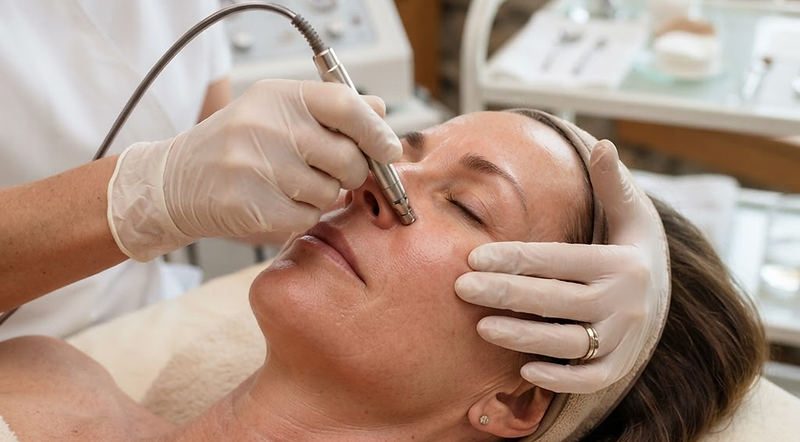
Microdermabrasion is a mechanical exfoliation treatment that uses a handheld device to gently sweep across the skin's surface, lifting away the outer layer of built-up cells. Unlike chemical exfoliants that work through acids, this is a physical, non-chemical approach, which is part of why many clients appreciate it as a more straightforward option.
The session runs 50 minutes and is designed to feel refreshing rather than intense. Because it addresses the surface layer rather than going deeper into the skin, it's generally considered one of the gentler resurfacing options on the menu — though suitability still depends on your current skin condition, confirmed at consultation.
Pro Tip: If your skin has been especially dry or flaky from winter weather, let your esthetician know before your appointment so they can adjust pressure and pacing accordingly.
What to Expect During and After Your Session
During the treatment, you'll likely feel a light scratching or vacuum-like sensation as the device passes over your skin — most clients describe it as mild and tolerable rather than uncomfortable. Afterward, skin often looks a bit flushed for a short period, similar to a light workout glow, before settling into a smoother-looking appearance over the following day or two.
A few aftercare basics matter regardless of the season:
- Apply a broad-spectrum sunscreen daily, since freshly exfoliated skin is more vulnerable to UV exposure, even on cloudy Massachusetts days.
- Hold off on other exfoliating products or treatments for several days to avoid over-exfoliating the same skin.
- Keep your routine simple and well-moisturized while your skin settles, especially if you booked during a dry winter stretch.
The Cleveland Clinic notes that proper sun protection after exfoliating treatments is one of the most important steps for supporting skin health, which lines up with what we recommend to clients here as well.
Comparing Microdermabrasion to Other Resurfacing Options
Microdermabrasion isn't the only way to address texture and dullness on our menu, and it's worth understanding how it differs from other options so you can pick what actually fits your concern.
- The Dermaplaning Facial uses a blade to remove surface buildup and fine facial hair, which can leave skin feeling especially smooth under makeup.
- A Chemical Peel works at a different depth using acids rather than physical exfoliation, and is generally considered a stronger option reserved for skin that's been assessed as ready for it.
- The Clarifying Facial is a gentler, broader option for those more focused on congestion than texture specifically.
None of these are strictly better or worse — they simply target slightly different concerns, and an esthetician can help you figure out which lines up best with what you're seeing in the mirror.
Pro Tip: If you're debating between microdermabrasion and dermaplaning, think about whether your main concern is overall surface texture (microdermabrasion) or smoothness plus fine facial hair removal (dermaplaning).
Building Microdermabrasion Into a Burlington Skincare Routine
Microdermabrasion tends to work best as part of an ongoing rhythm rather than a single appointment. Many Burlington clients find it useful to schedule sessions around seasonal transitions — for example, heading into spring after a long dry winter, or before the drier fall air sets back in. Spacing sessions out gives your skin's natural renewal cycle time to work between appointments, which is generally a more sustainable approach than back-to-back treatments.
It's also worth remembering that at-home habits matter between visits. Gentle daily cleansing, consistent moisturizer, and daily SPF all support whatever progress a professional treatment helps start. You can browse real examples of texture-focused results in our Results Gallery to get a sense of what a realistic, gradual change can look like over time.
If dull, rough-feeling skin has been bothering you through another New England season, a conversation about microdermabrasion is a reasonable place to start. Reach out through our Contact & Location page, and we can talk through whether it fits your skin before you book your first session at 154 Cambridge Street.
Frequently asked
Questions we hear most
What does microdermabrasion actually do for dull skin?+
It uses a fine abrasive tip to gently lift away the outermost layer of built-up, dulling skin cells. This can support a smoother, more refreshed-looking surface, though individual results vary.
How often should I get microdermabrasion in Burlington?+
Many clients space sessions a few weeks apart depending on how their skin responds and the season. Your esthetician can suggest a reasonable interval based on your skin's current texture and sensitivity.
Is microdermabrasion the same as dermaplaning?+
No, they work differently: microdermabrasion uses light abrasion to address texture and dullness, while dermaplaning uses a blade to remove surface buildup and fine vellus hair. Some clients prefer one over the other depending on their specific concern.
Can microdermabrasion help with rough patches from winter dryness?+
It may help support a smoother-looking surface by addressing built-up dry, flaky skin, which can be more noticeable during Massachusetts winters. It's not a treatment for deep hydration on its own, so a consultation helps determine if it's the right fit.
What should I avoid before and after a microdermabrasion appointment?+
Avoid other exfoliating treatments or strong actives like retinoids in the days leading up to your appointment, and skip intense sun exposure afterward. Daily sunscreen is especially important once your skin's outer layer has been gently exfoliated.
Ready when you are
Book a consultation in Burlington
Every plan starts with a conversation about your goals and your skin. We will confirm what suits you and map the treatments from there.
Services are subject to consultation and individual suitability. Results vary. No result is guaranteed.